

Qblox Electronics#
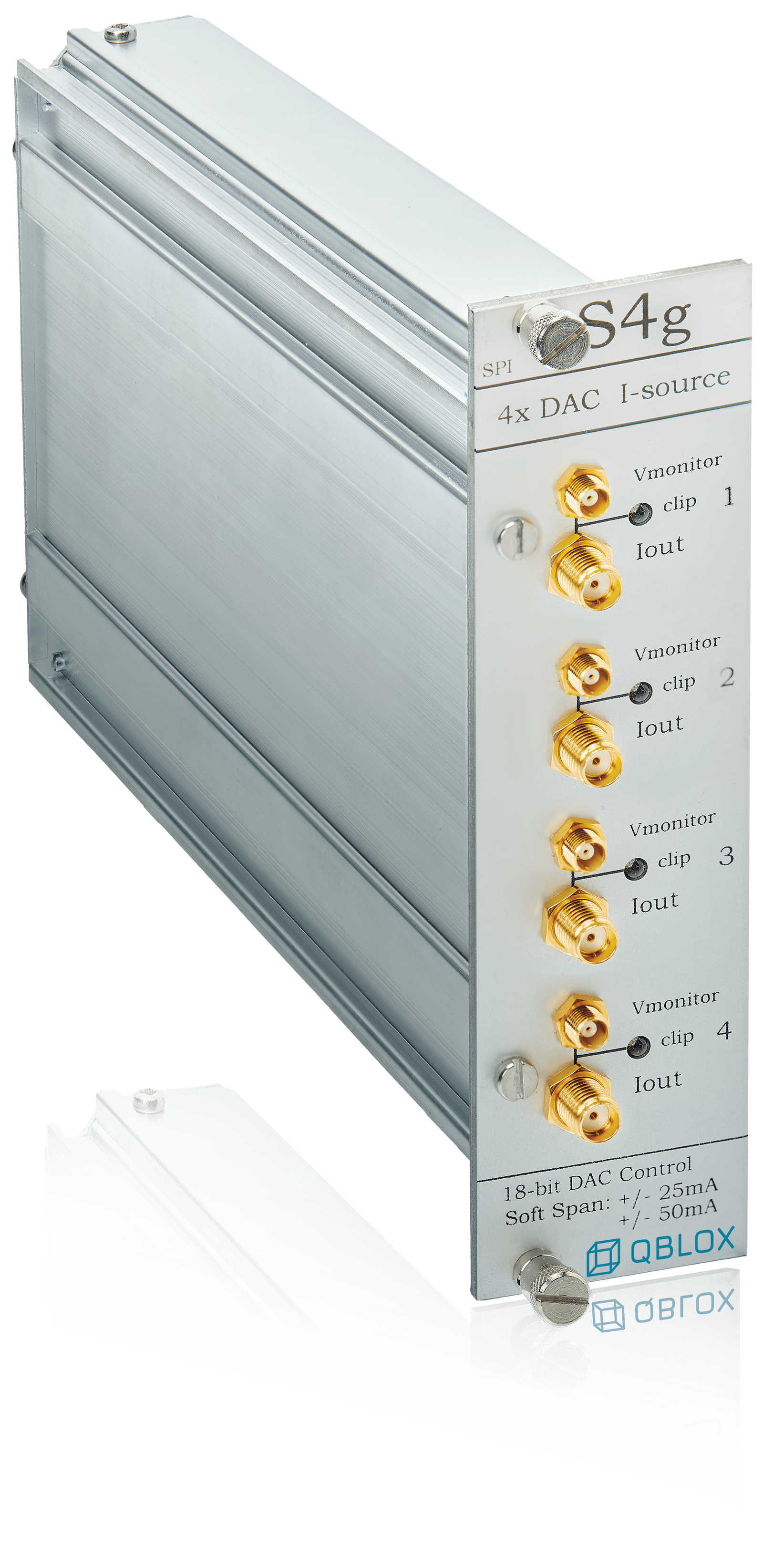
This page contains a comprehensive overview of all of the hardware that Qblox has created. Click on a panel to go to a description of the documentation!
Chassis types#
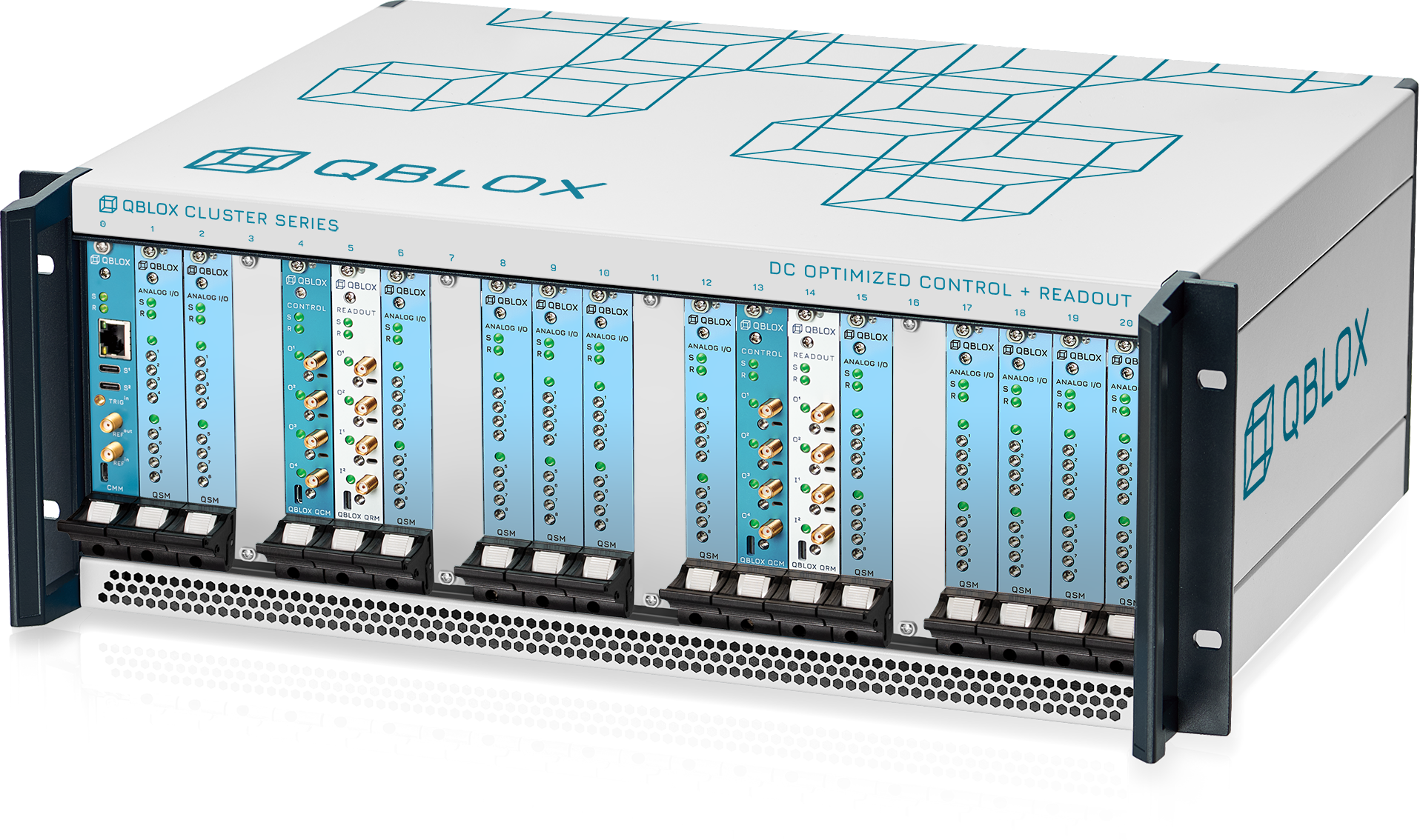
Modular rack control system supporting up to 20 synchronized modules over a wide frequency range (DC to 18.5 GHz), designed for quantum computing technologies.
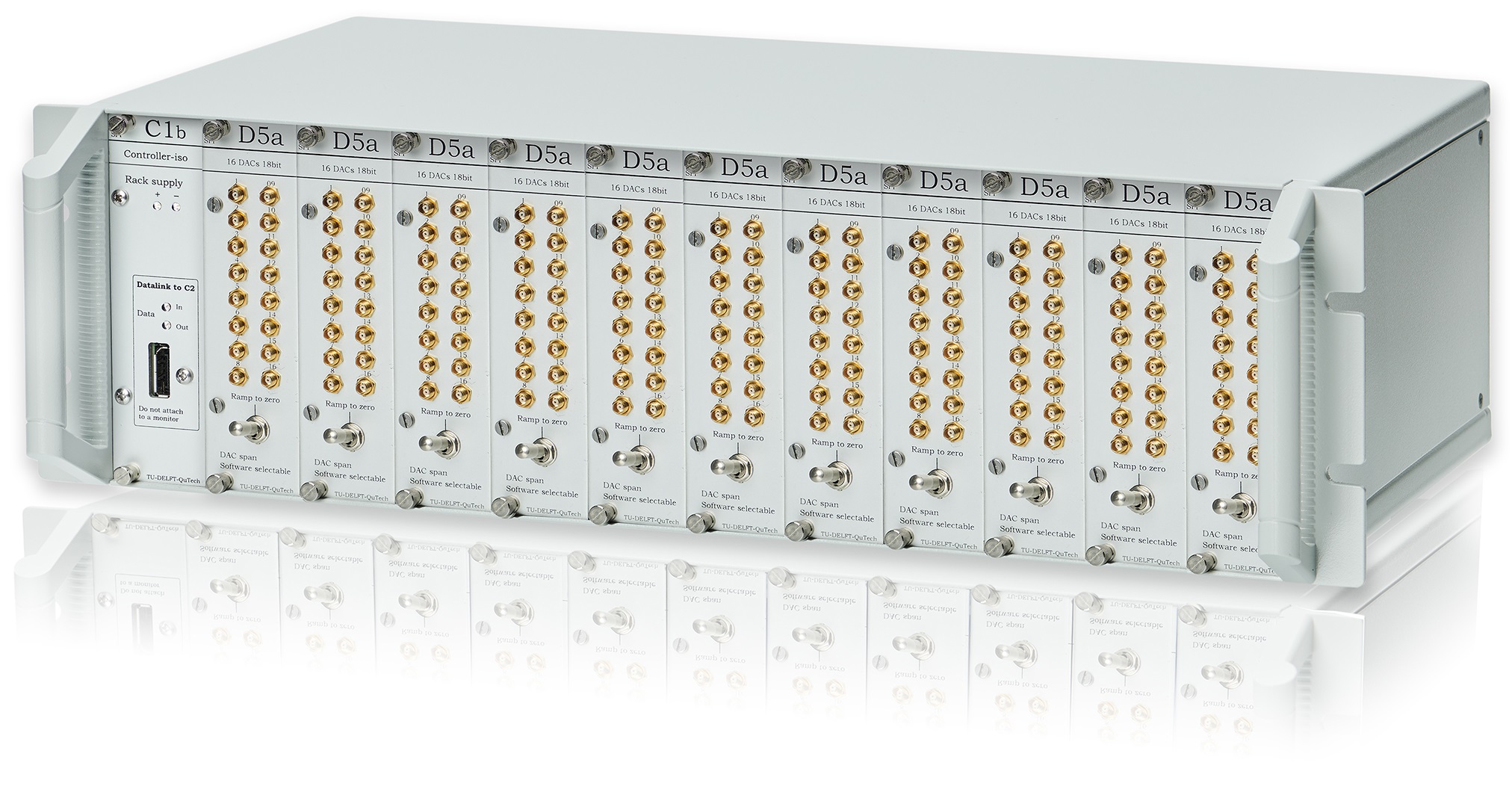
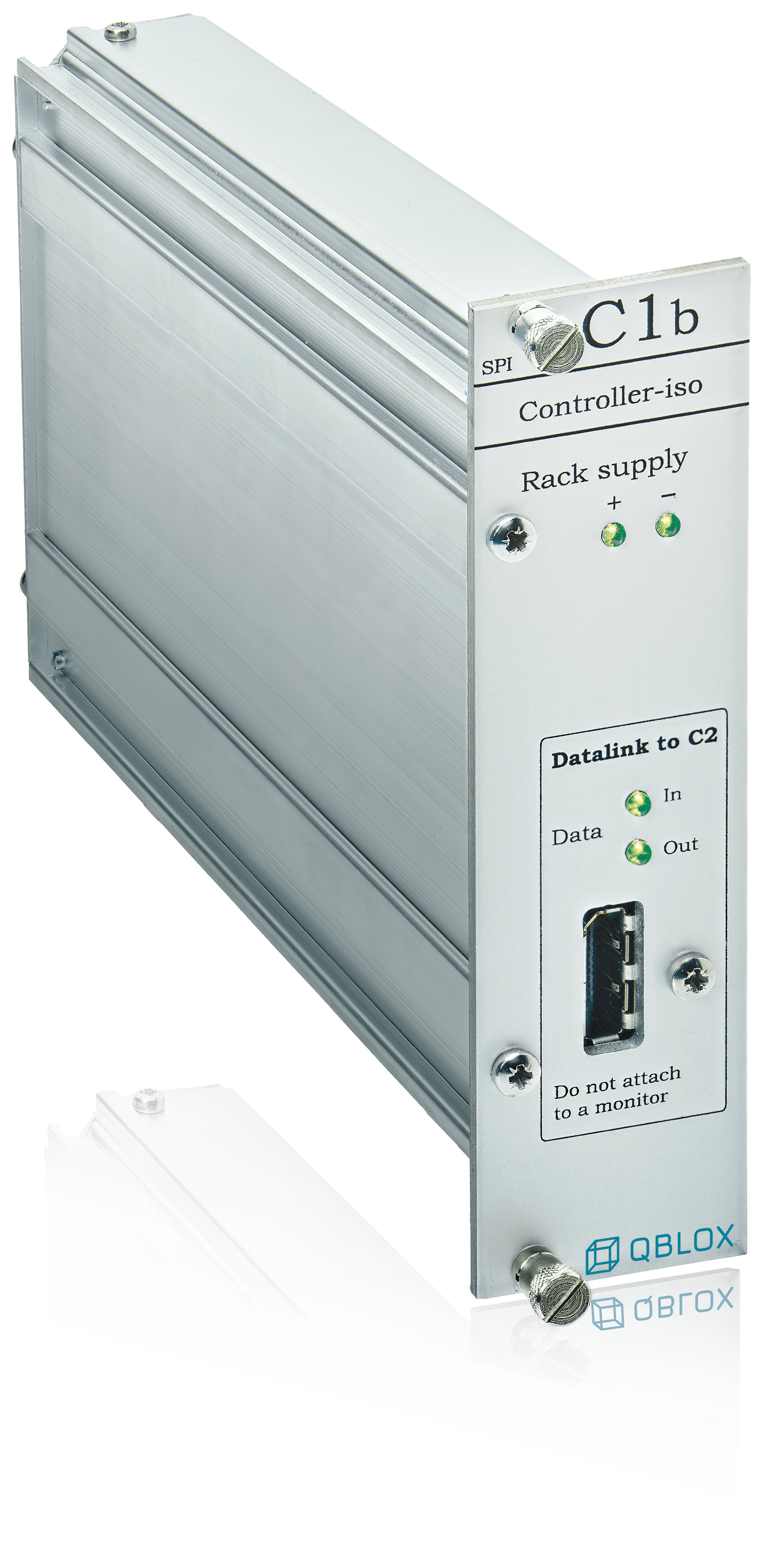
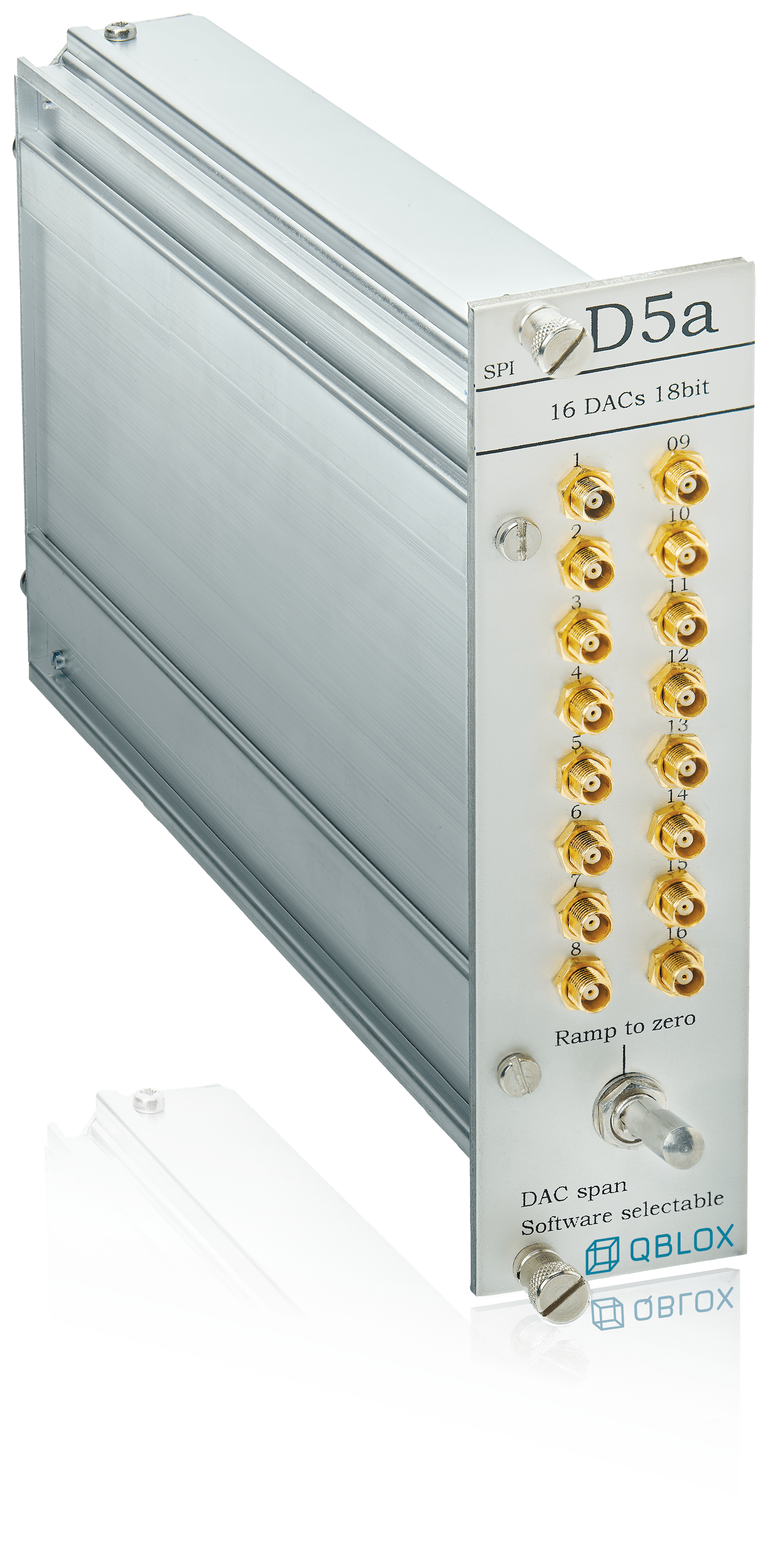
Ground-loop-free, low-noise mainframe tailored for QSM modules, enabling ultra-stable, high-resolution DC sourcing and precision measurement.
All cluster mainframes support integrated protocols for automatic synchronization and low-latency feedback.
Modules per chassis#
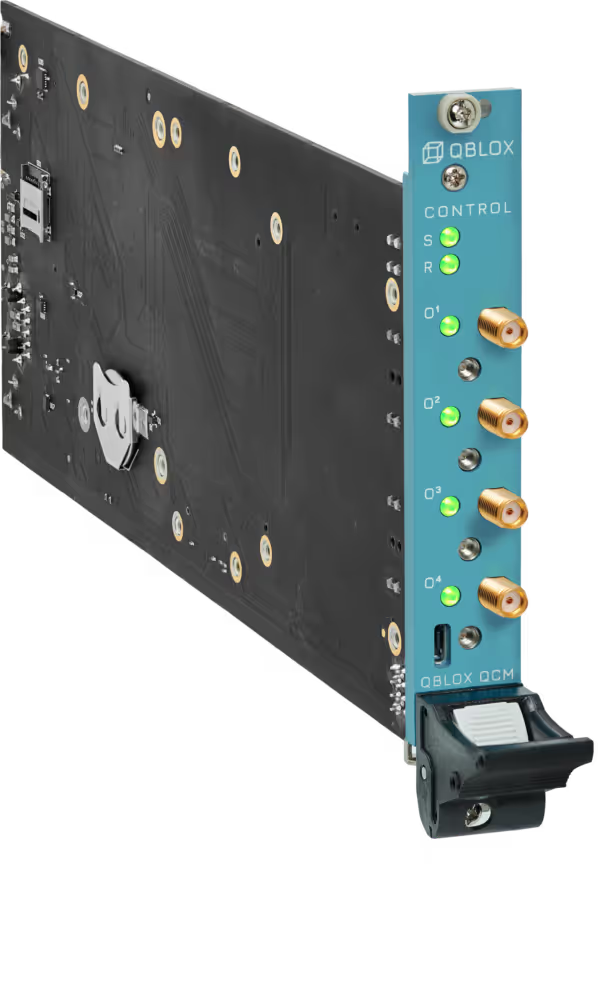
Four outputs from DC to 400MHz with excellent 1/f noise for qubit control.
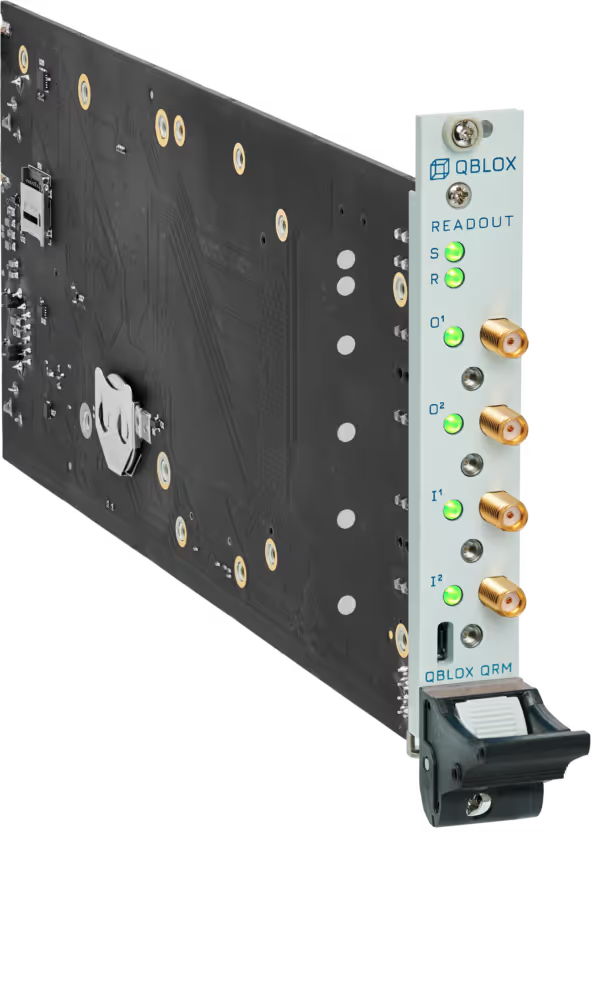
Two inputs and outputs from DC to 400MHz with excellent 1/f noise for qubit readout.
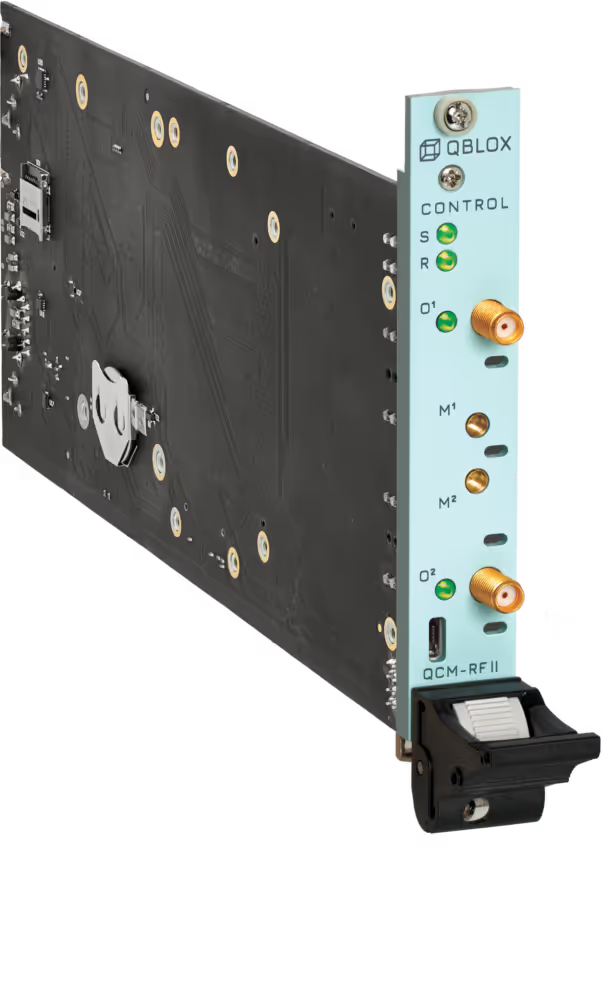
Two outputs with integrated upconversion, for qubit control from 2 to 18.5 GHz.
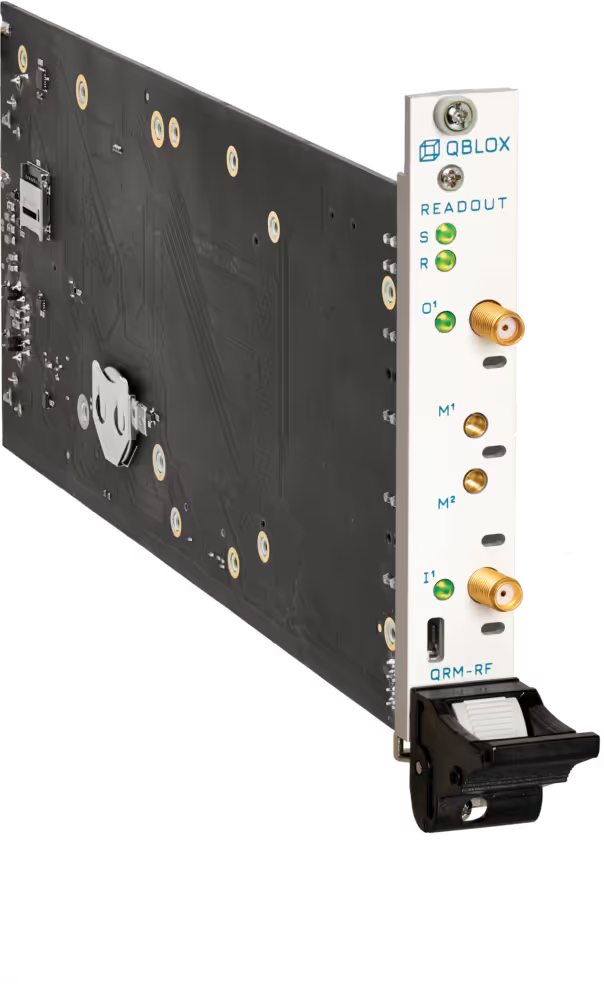
One input and output with integrated upconversion, for qubit readout from 2 to 18.5 GHz.
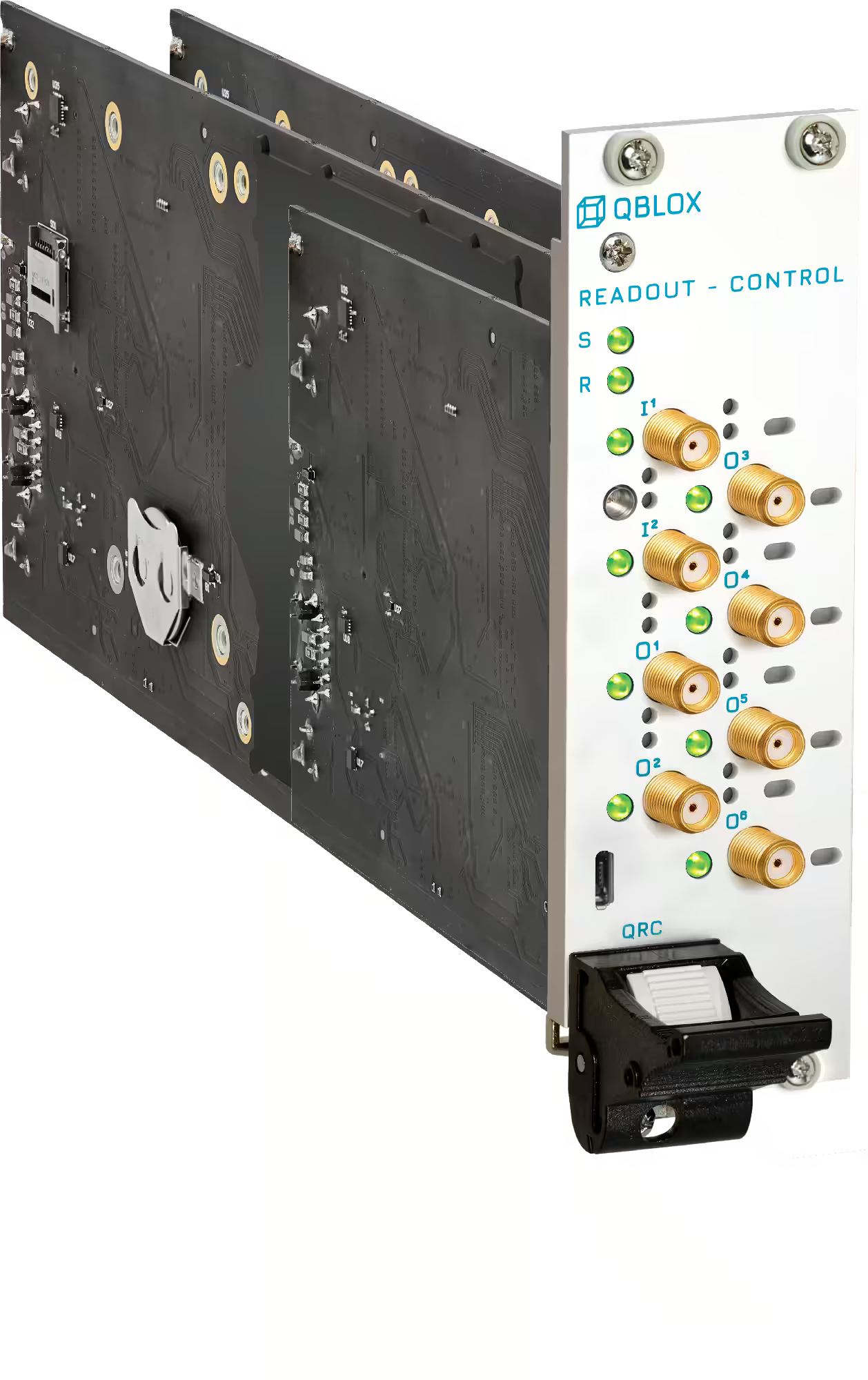
Two inputs and six outputs, for qubit control and readout from 0.1 to 10 GHz.
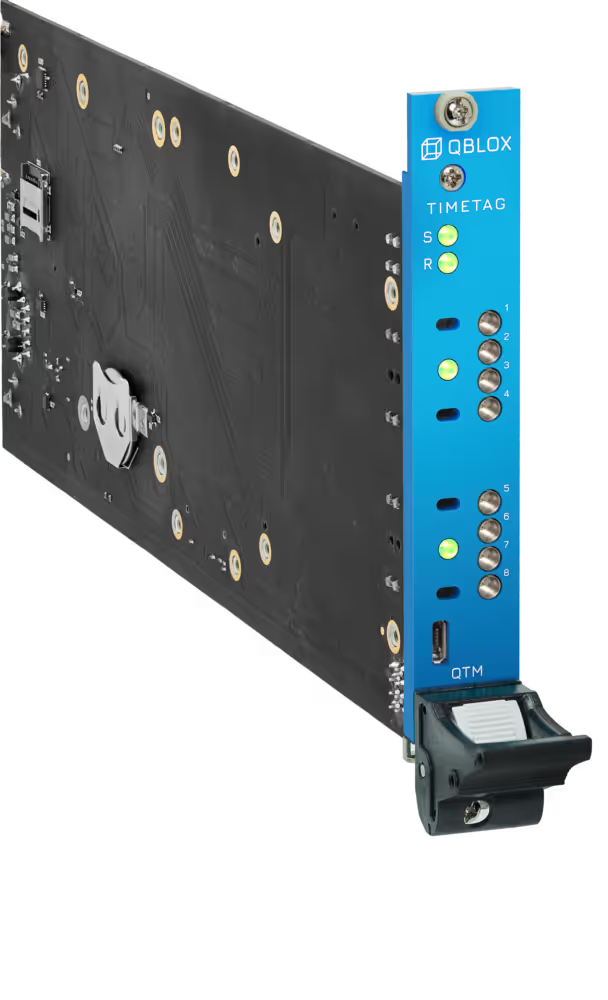
Eight reconfigurable input/output channels for timetagging with picosecond precision.
Four outputs from DC to 400MHz with excellent 1/f noise for qubit control.
Two inputs and outputs from DC to 400MHz with excellent 1/f noise for qubit readout.
Eight reconfigurable input/output channels for timetagging with picosecond precision.
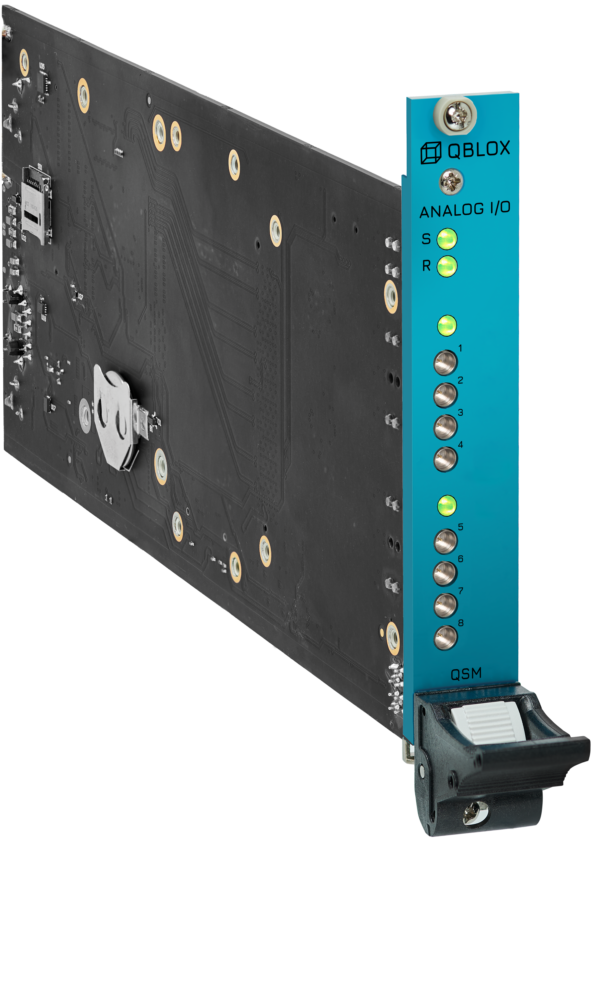
Eight extremely stable DC input/output channels with 28-bit accuracy from -10 to 10 V.
Sequencers per module of Cluster series#
Start by reading the Q1 Sequencer introduction. The sequencers for the various models are:
Feedback#
Qblox sequencers support two real-time feedback mechanisms. See Synchronization and Feedback for an overview of when to use each.
Share binary trigger signals between sequencers over the backplane trigger network with low latency.
Share richer payloads — thresholded bits, IQ values, time-tags, and registers — between sequencers in real time across the cluster.
