

Spin qubits in semiconductor quantum dots#
Semiconductor quantum dot spin qubits, a leading platform for scalable quantum computing, require precise charge and spin control using customized fast voltage pulses and microwave bursts.
This page provides an overview of how Qblox control electronics can be used to operate such quantum processors. To support these experiments, Qblox offers a range of products specifically designed for spin-qubit systems in quantum dots, providing precise timing control and exceptional signal fidelity. In the setups described below, the Cluster serves as the central mainframe that hosts the various control and readout modules.
For charge state readout, the QRM is used.
For microwave control, the QCM-RF provides the required functionality.
For fast pulsing, the QCM is employed.
Architecture#
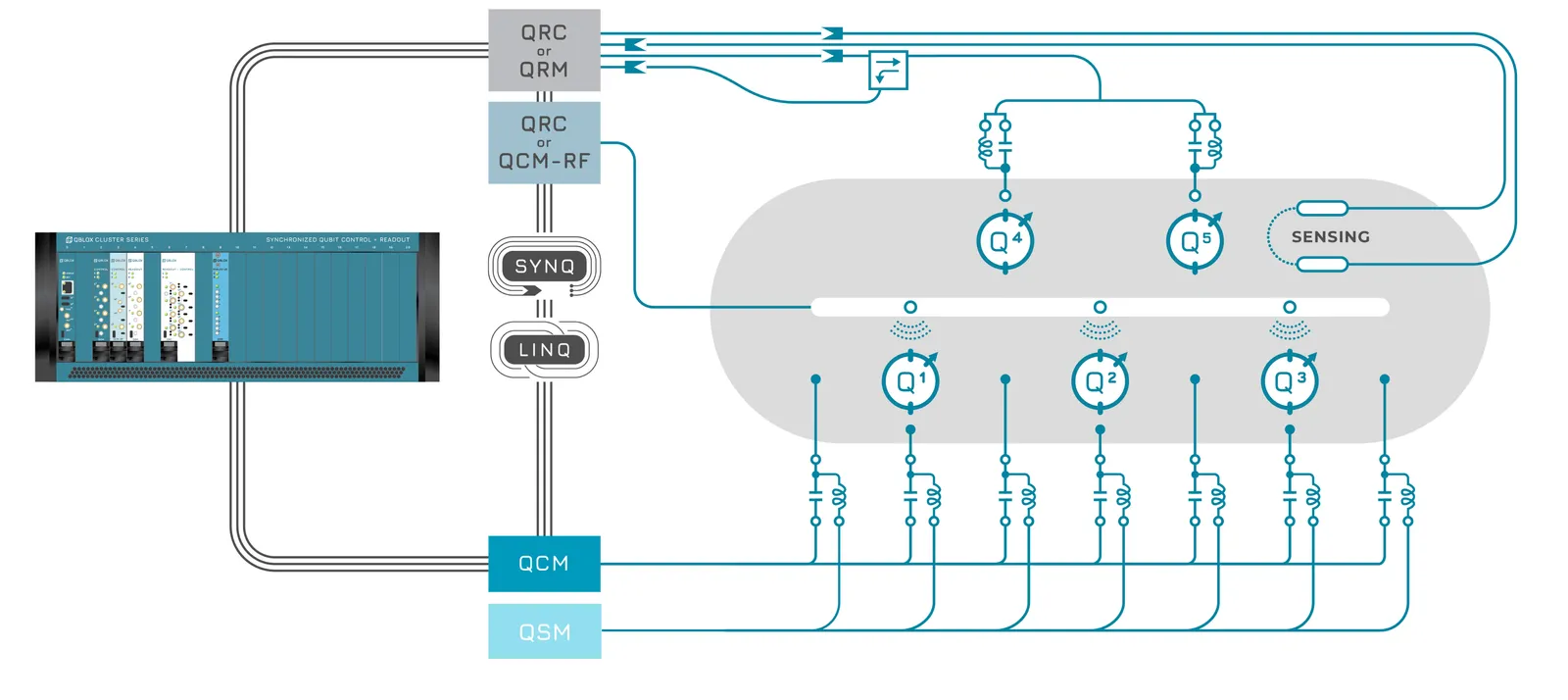
Example layout of a QPU containing five spin qubits controlled using Qblox control electronics.#
The example above illustrates a typical spin-qubit QPU based on semiconductor quantum dots. This architecture consists of five quantum dots arranged to host spin qubits, each controlled through dedicated barrier and plunger gates. A central electron spin resonance (ESR) line provides microwave excitation for spin manipulation, while a nearby charge sensor enables state readout.
All gate and barrier lines are equipped with Bias-Ts, allowing the combination of fast control pulses with DC biasing on the same line. This configuration enables high-speed qubit operations without sacrificing stability in the electrostatic potential of the dots.
The following set of application examples are designed for a SINGLET-TRIPLET qubit system with PSB Readout as an example case.
Getting started
A startup guide for spin qubits can be found here. This guide explains how to set up the cluster, the preparation of configuration files, and the virtual definition of your chip’s physical elements within the software layer. Consulting this documentation ensures that the experimental environment is properly constructed and that the software layer accurately reflects the hardware architecture before running an application example.
RF Tuneup and Benchmarking#
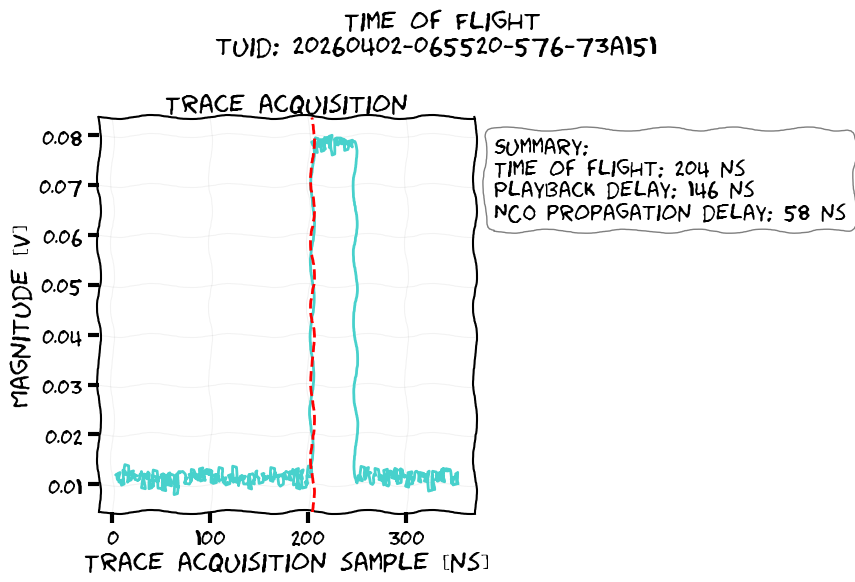
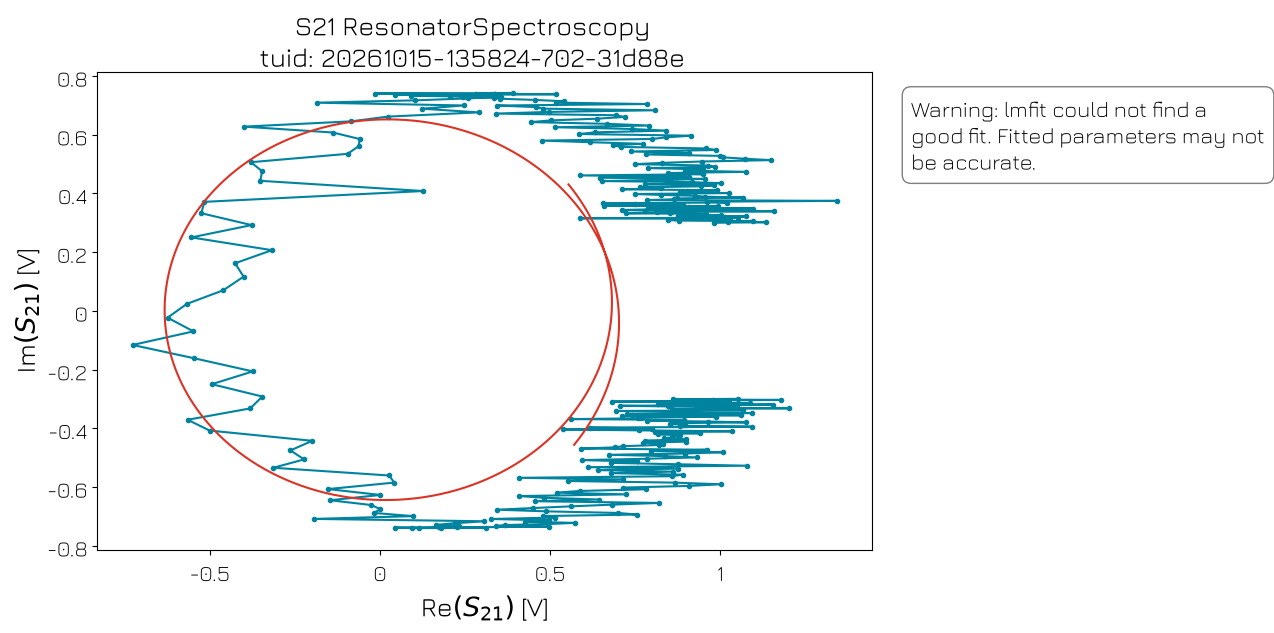
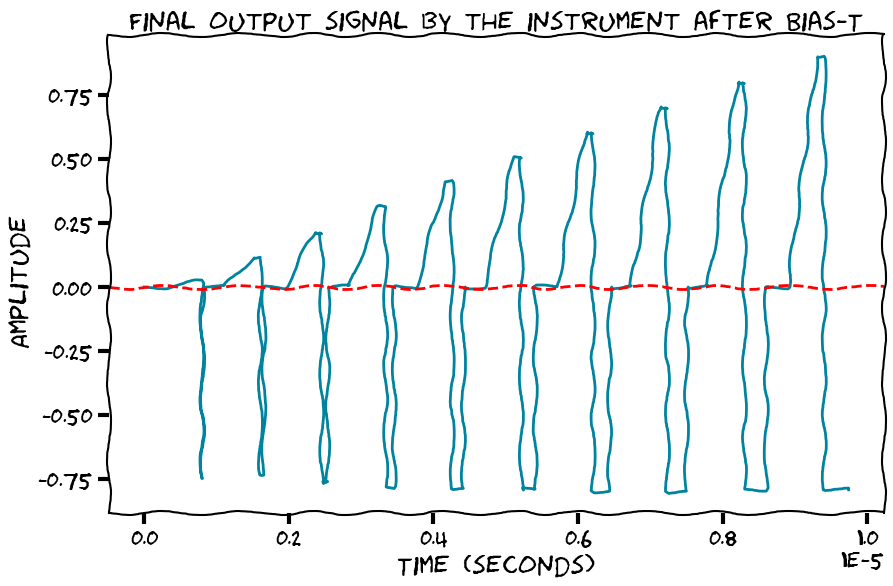
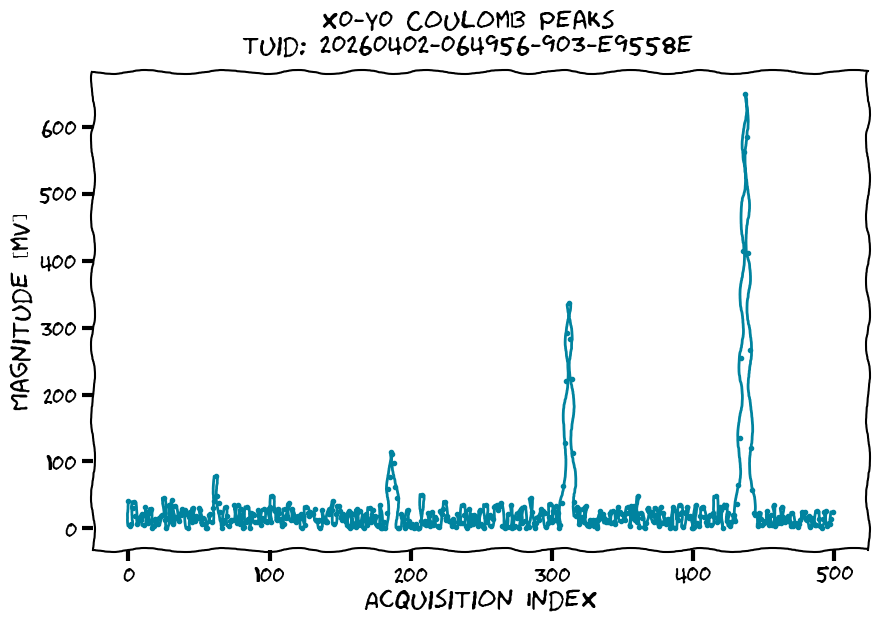
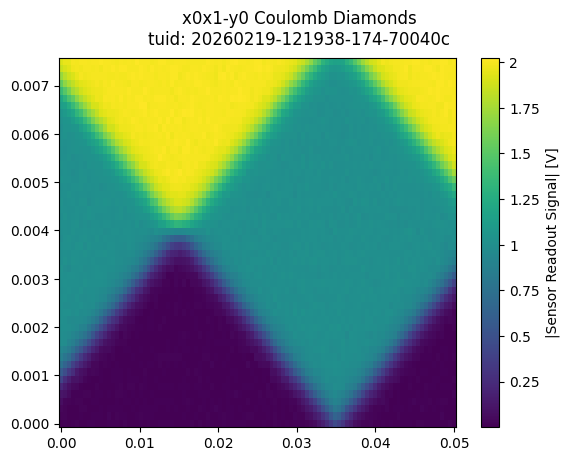
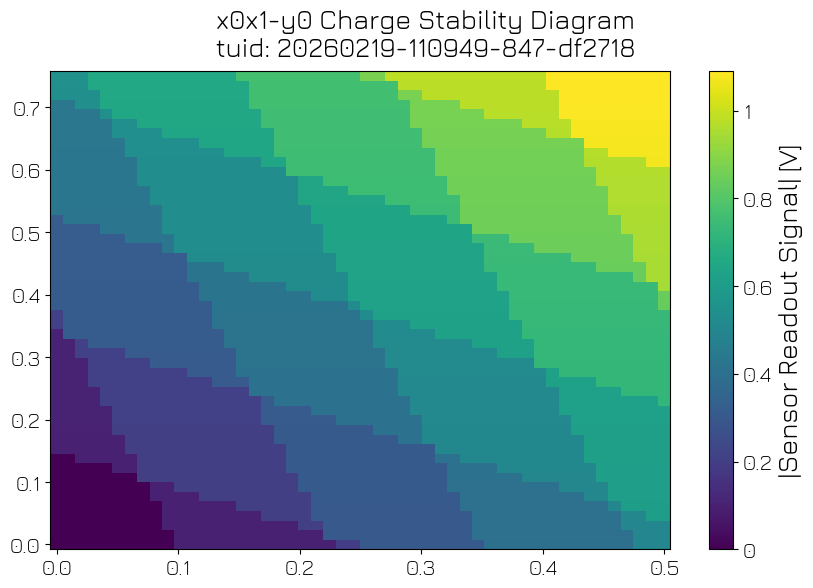
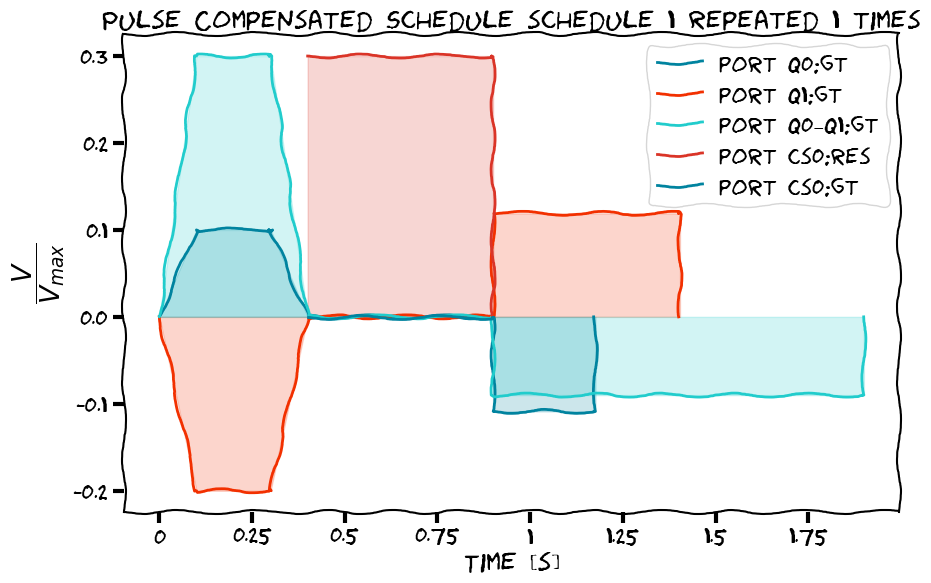

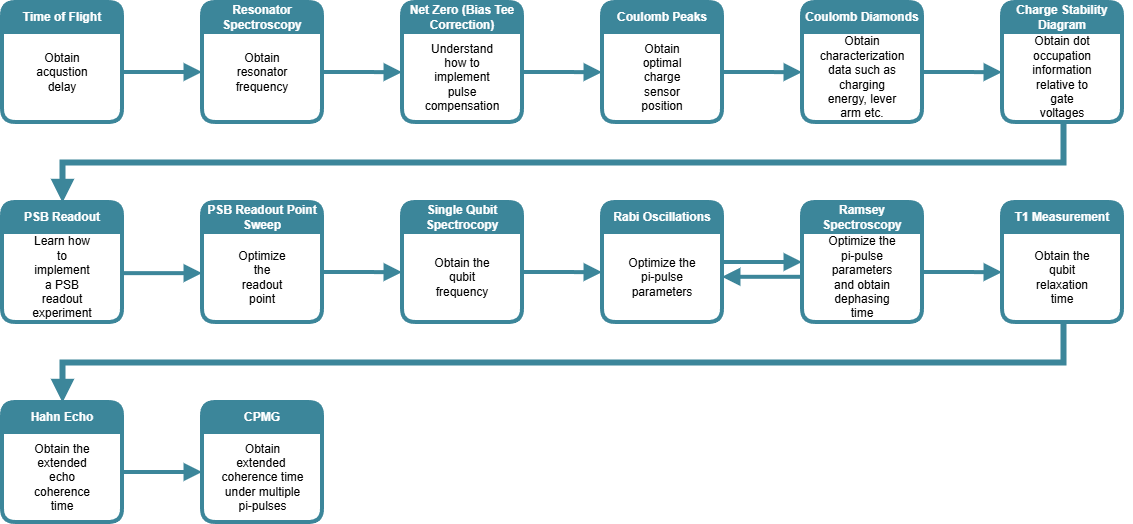
Visual flowchart of the logical execution order and parameter dependencies of quantum dot experiments, from initial calibration and charge characterization through readout and qubit coherence measurements, showing how outputs from earlier steps feed into subsequent experiments.#